“The Chronovirus”

Austin Kleon says “what the virus really destroys is our sense of time. Days feel like weeks. Months feel like seconds.”

I agree that the routine, being restricted, feeling on edge often has removed my normal sense of time.

As I proceed, I’m going to be paying more attention to my body and the environment around me to notice things passing.

Rather than a click of a watch, I’ll listen for my heartbeat or a pace of breathing.
Rather than waiting for an computer reminder for a late morning meeting, I’ll look for the sun to stop shoning directly into my East facing office window.
Rather than look at the clock to find when to start making dinner, I’ll simply make dinner after an evening walk with the dogs.

These are less about routine and more about rhythm. Rhythm can change structure and tempo.

There is still familiarity in rhythm even if it switches around.

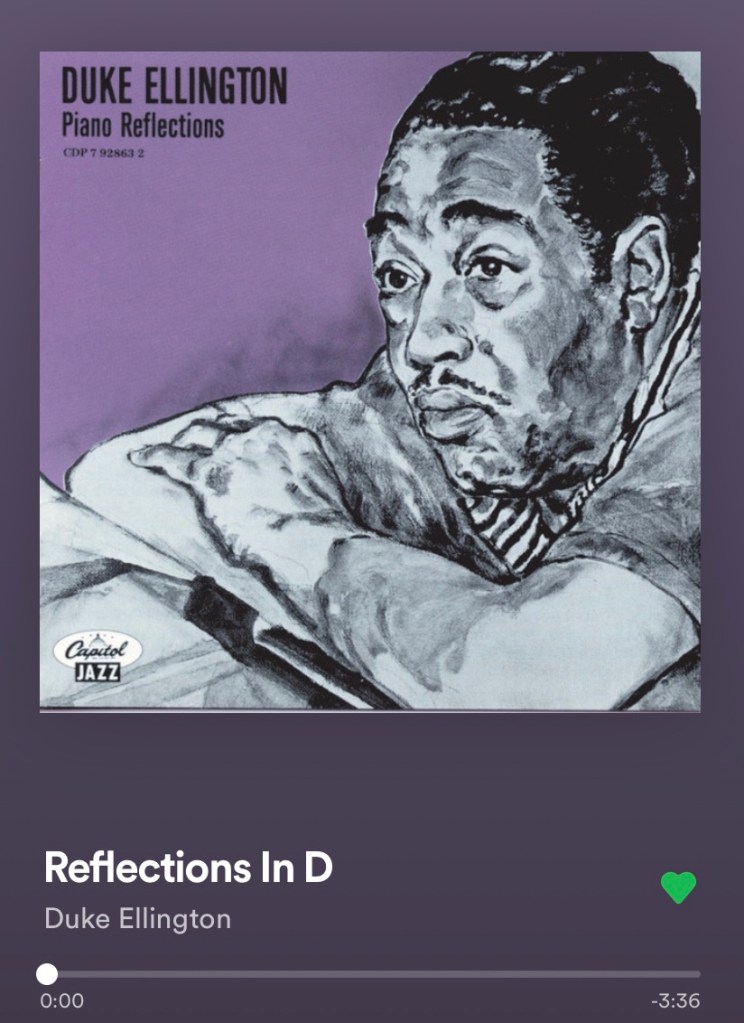
Check out Weather Report’s Birdland. One of my favorite jazz songs as it varies throughout the track yet carries with it a familiar and predictable return to its rhythm.

Beware the illusion of time. Do what matters. Be you.

And sometimes we just need a beat between songs. Take time to buck the routine and get in touch with your own rhythm. Take a break.

Preferences not Excuses

We should develop and understand our preferences.

Often I find myself making more excuses than understanding my preferences.

Similar to “even though” vs. “if only,” a simple flip in perspective frees us up.

I prefer to work from my home office and have a set morning routine including coffee, chatting with Kelly, playing with my pups for a second, sitting for 30 minutes to meditate and read and wander in my head…

When this is interrupted, I make excuses that my day didn’t go well because my preferences weren’t meant.

When I turn those preferences into excuses, I only hinder myself, those around me, and the work I do.

Of course I may not be as effective when I don’t get things as I want but more importantly than routine is getting into a rhythm without the routine.

Rhythm over routine. Rhythm with routine. Rhythm without routine.

This bouncing back into rhythm even though routines or preferences are not there…that’s true effectiveness.

More like jazz. Less like classical.
Books That Make Us More Human

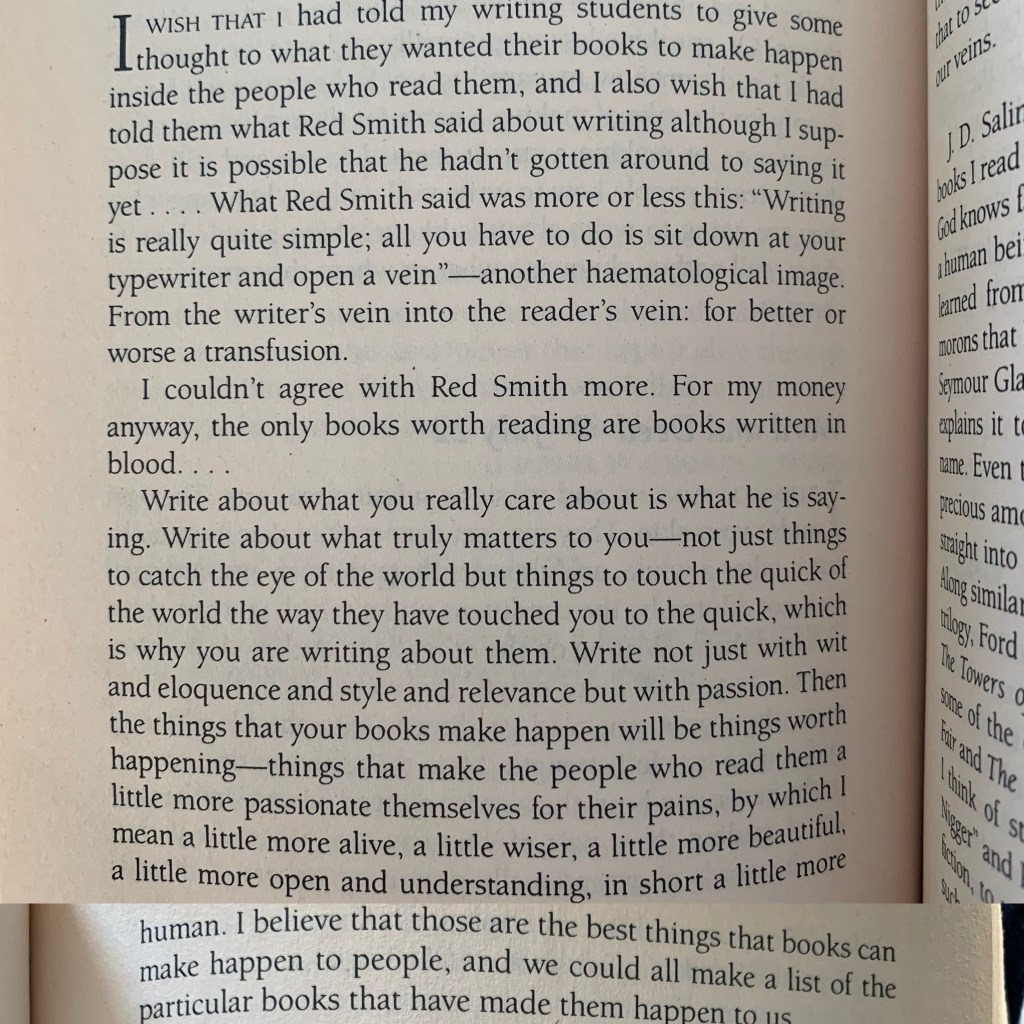
Above is an excerpt from Fredrick Buchner’s daily meditation book, Listen To Your Life.

Here’s a list of books I’ve read recently that have made me “more human.”

  • How to be an Antiracist by Ibram X. Kendi
    • Powerful look at how racism lives inside our society and inside each of us
  • The World’s Fastest Man: The Extraordinary Life of Cyclist Major Taylor by Michael Kranish
    • Interesting look at the life of the first Black sports hero. There is a cycling velodrome 2 miles from my home named after him.
  • The New Jim Crow by Michelle Alexander
    • I see how our system of criminal justice and many other policies hold back people’s humanness.
  • Keep Going by Austin Kleon
  • How to Listen to Jazz by Ted Gioia
    • I’ve always enjoyed jazz music…most days it’s playing as I work. This book showed me the depth of the origins of the music and the intricacies inside each song. It’s more than background music and the musicians are becoming my friends in a way.
  • The a Coaching Habit by Michael Bungay Stainer (I didn’t read it recently but refer to it often)

What books would you add to this list? I’d love to hear!

Coaching Experiments Don’t Produce the Same Result

In a lot of ways coaching is like jazz.

Jazz has a general structure, a rule of thumb, but ultimately is defined and know for its improvisation, personality, and spontaneity.

Ted Gioia in How to Listen to Jazz says, “When the jazz experiment is repeated, it never produces the same result.”

The same can be said of coaching. There is a structure and framework but a good coach will improvise and revise based on the client.

Listen to Salt Peanuts. There are hundreds of renditions of it in jazz. Each one takes on the persona of the artist or band. Notice the nuances in each and enjoy each. Some might be more enjoyable but none of them are the same.

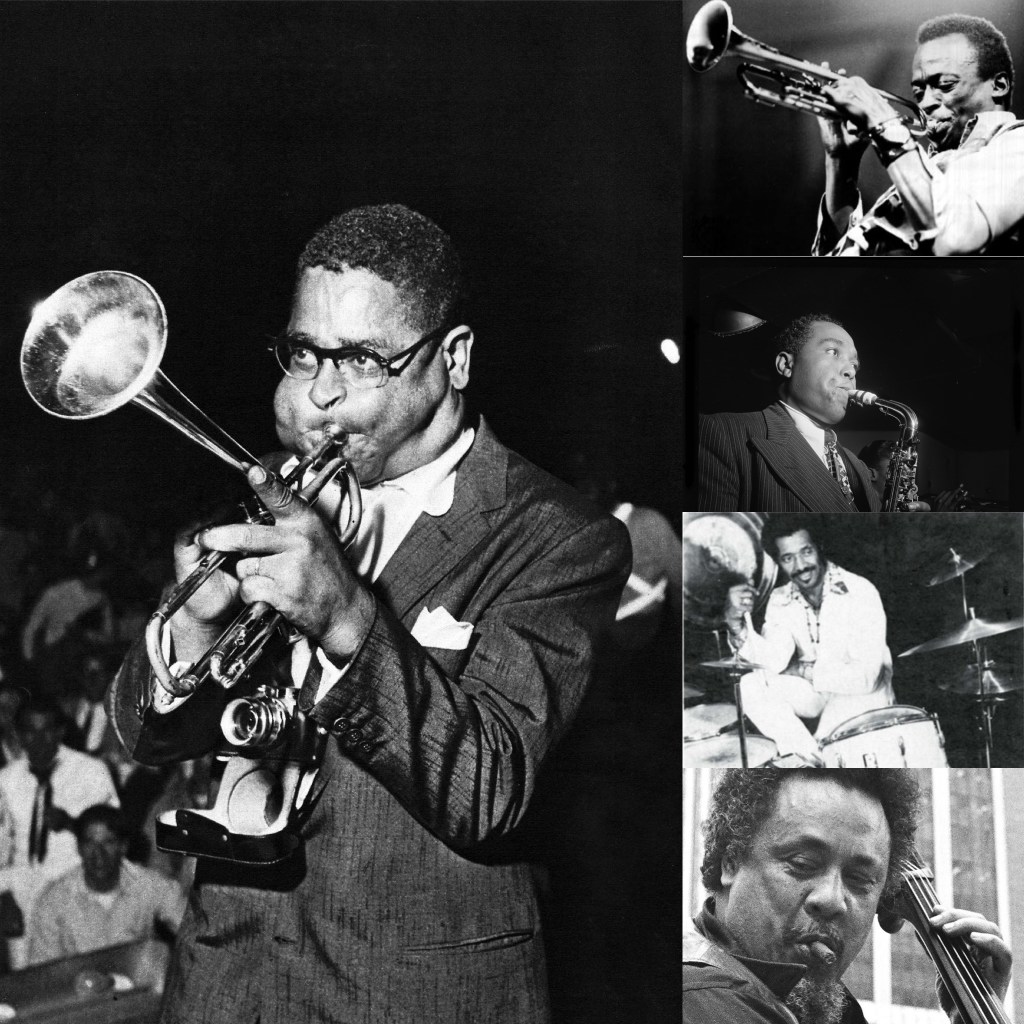
Left to right, top to bottom: Dizzy Gillespie (originator of Salt Peanuts), Miles Davis, Charlie Parker, Philly Joe Jones, Charles Mingus. Each have their own and multiple iterations or Salt Peanuts.

Consider how you can ensure you are ready to offer variety and personality in your coaching, question asking, interactions. Don’t hesitate to use a framework or reliable resource but keep it fresh.