ONE: Overtly arrogant. Big ego. Everything is about us. Thinking of ourselves often. This is the type we typically think of.
TWO: Lacking self confidence. Deflated sense of self-worth. Everything is about what we cannot do. Thinking of ourselves often This is the type we don’t often think of.
Both types think of themselves often. Both are driven by some sort of insecurity. Humility to me is about our connection to the earth. We come and we go.
Humus is the Latin root of humility. Humus in Latin means, earth.
Recognize our humanity. We are not perfect. We will never be perfect. And yet there is something alive in us.
I’m working to address the insecurity in me that drives me towards both of these types of lacking humility. Right now I think it’s a lot about fear of being stuck. Fear of not stagnation. Fear of irrelevance. Fear of loneliness.
I prefer to work from my home office and have a set morning routine including coffee, chatting with Kelly, playing with my pups for a second, sitting for 30 minutes to meditate and read and wander in my head…
When this is interrupted, I make excuses that my day didn’t go well because my preferences weren’t meant.
When I turn those preferences into excuses, I only hinder myself, those around me, and the work I do.
Of course I may not be as effective when I don’t get things as I want but more importantly than routine is getting into a rhythm without the routine.
Rhythm over routine. Rhythm with routine. Rhythm without routine.
This bouncing back into rhythm even though routines or preferences are not there…that’s true effectiveness.
Upon moving to southern California from Wyoming six years ago, I was fearful that we could never be alone—that we would never find the Little Wild Places that Ernest Atencio wrote about. Not so. Little Wild Places and that sense of hope and wonderment are there; all we must do is give them a chance to come out from hiding.
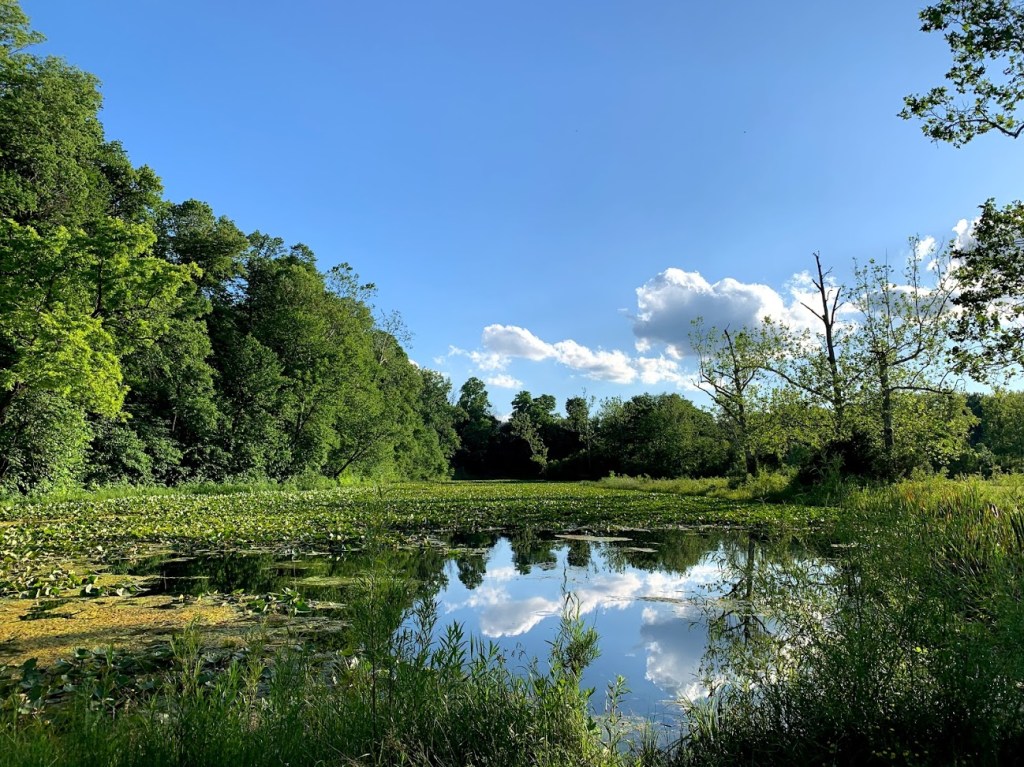
Even near an urban center of millions of people, my family and I have found Little Wild Places that are quiet and—at least at the time we are there—are all our own.
Big Adventure is all around us. This is a perfect time to put special emphasis back on finding your own Little Wild Place.
Maybe simply in your own backyard or on a walk through your neighborhood or at sunset when the birds are all heading home or in your garden as you see the bees spur around collecting nectar.
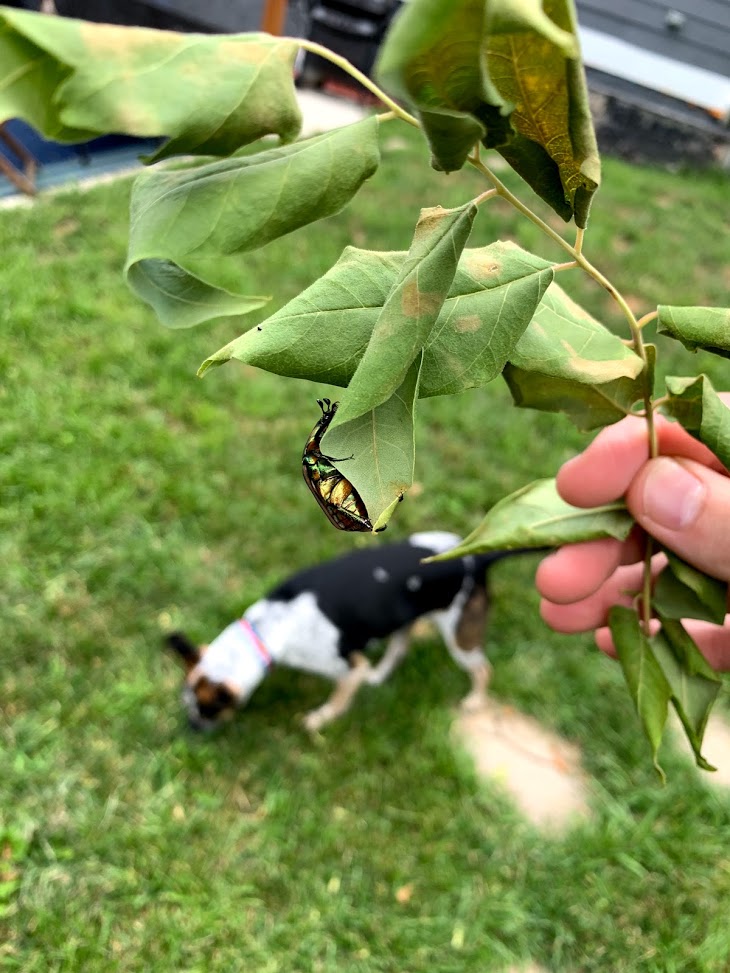
The other day our pup, Ender, found this beetle on a fallen twig.
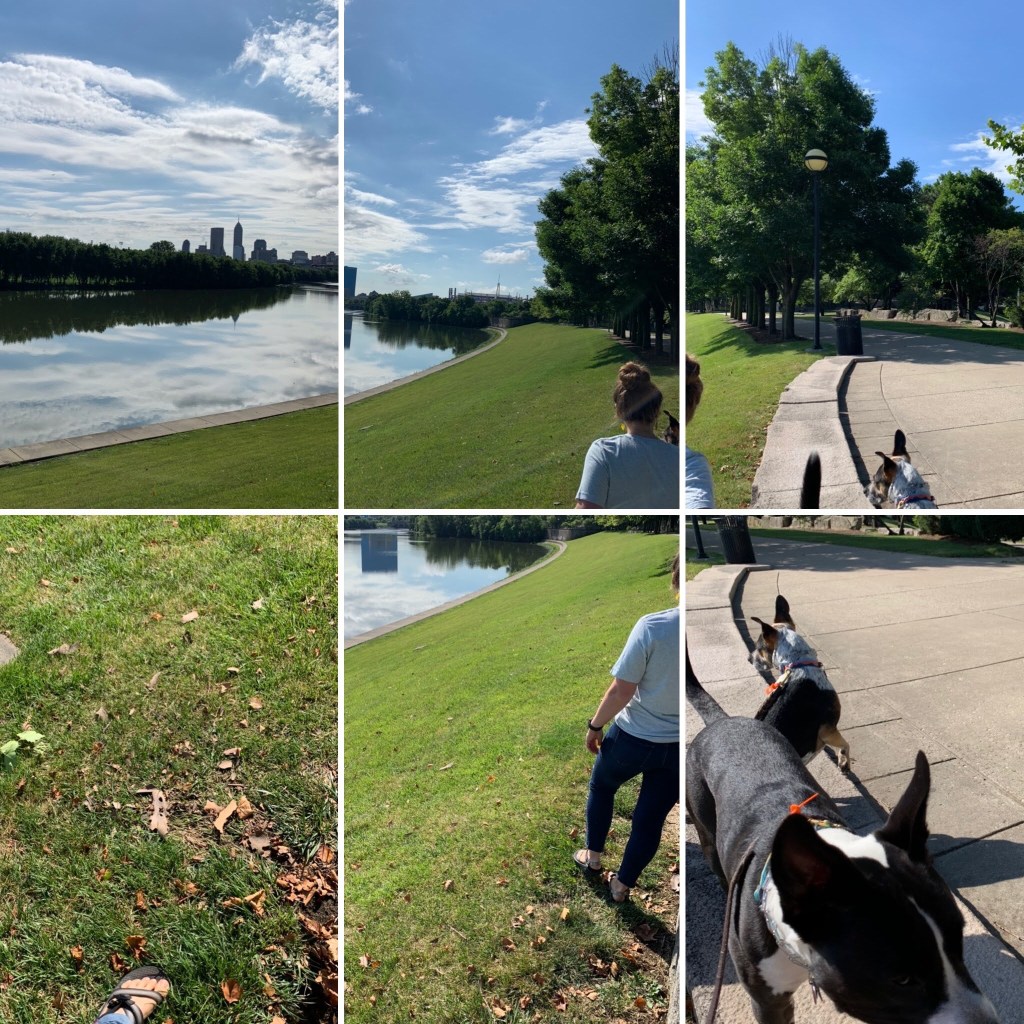
Maybe there’s an empty part of town you love to be at or a favorite park. Somewhere you can see the wild.
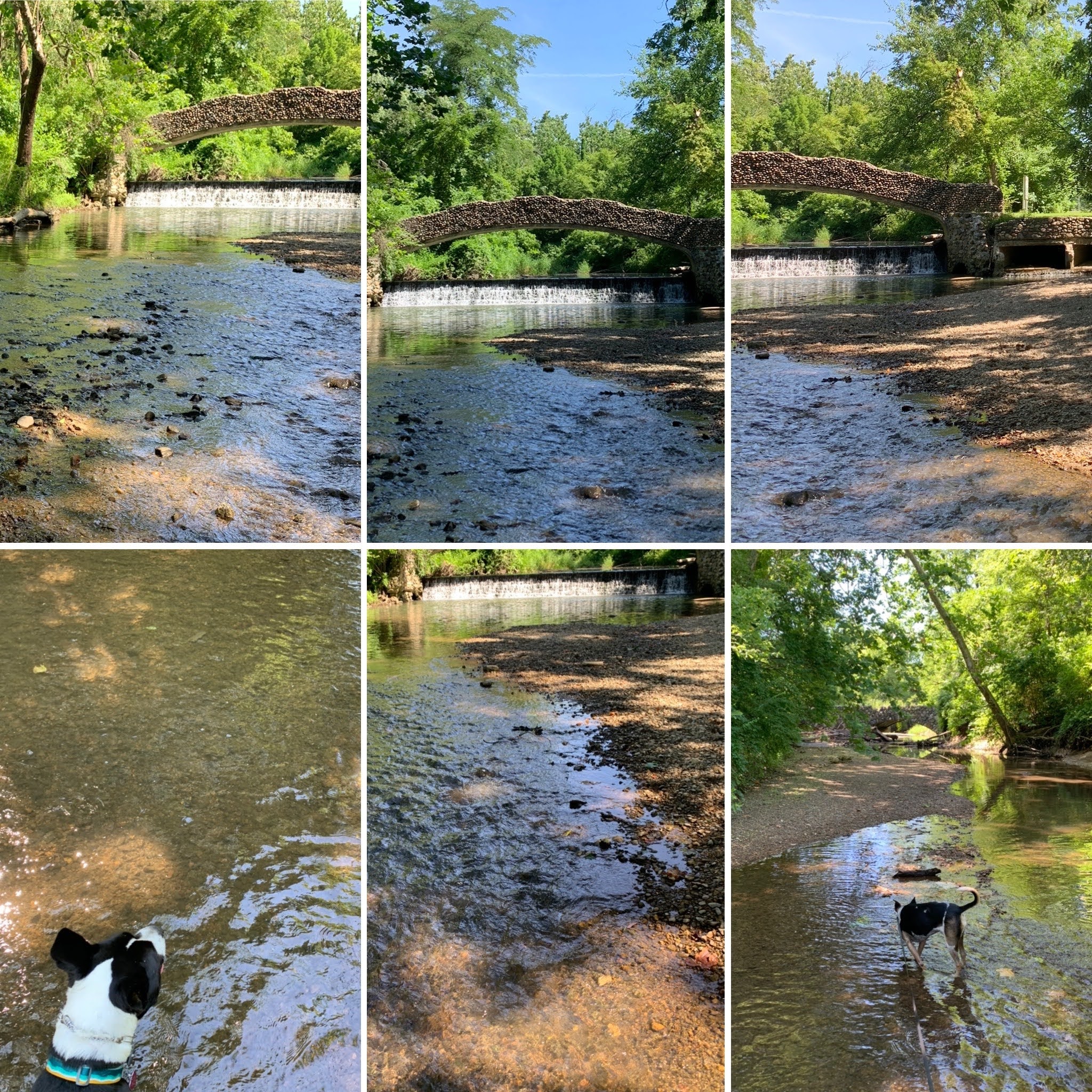
Our favorite ‘secret’ park near our home.
To me, it’s less about the fresh air and more about the wildness. With the wild space will come fresh air. I’m going to keep searching for wild places and wild moments to keep afresh and remember I’m alive.
I’ve always enjoyed jazz music…most days it’s playing as I work. This book showed me the depth of the origins of the music and the intricacies inside each song. It’s more than background music and the musicians are becoming my friends in a way.
The a Coaching Habit by Michael Bungay Stainer (I didn’t read it recently but refer to it often)
My connections with people are better by applying what I learned in this. I am less manipulative and more present with people. More from my blogs on this book.
Any change we make, political or policy change, organizational change, personal change, requires something to be sacrificed.
Maybe you want to workout more, hours of sleep is going to sacrifice.
If we want to change policy so those who are oppressed have burden lifted from them, we have to put a burden on someone else…that is of course if it’s a finite system…maybe our economic system is not as finite as we think…
Anytime we shoot for change, we should identify what is sacrificing. And choose the structure of the change with ideal sacrifice.
This is easier thought through and applied with personal change because it’s a system we understand. More complex policy or political system have been made complex and are tough to understand and change.
Anytime you look to change or grow, call out what you’ll be sacrificing and accept that. Change then can come with more clarity and swift results.
We want to know the next right step. The box to check off. The category to put someone.
All so they can fit our process…really so they can fit into our current world view or perspective.
This is the case with people interactions on many levels. When coaching someone. When leading someone. When trying to sell to someone. When debating with someone.
And yet we are only pushing people more and more apart.
We think “if only they would see it as I do…”or “if only they would appreciate this concept…”or “if only they would prioritize the right thing…”
Instead of saying “if only…” we should take the approach of “even though…”
There is a way through it just may not look like you expect. The person may not fit your typical coaching framework. They may not need what other people you’ve led have needed. They may not value the same things you do.
We need to go where they are and see it as “even though…”
Even though they see it differently we find a way to serve. Even though they value something else we can help get a good outcome.
It becomes less about us and more about purely serving the other. The route may not be clear but that’s the fun in it! There will be a surprise around the corner and that challenge alone can spur us onward.
What stories are you telling yourself that benefit from an “even though” mindset shift?
Since August 2019, I’ve been working remotely from my home office. At first I was scared! I would have described myself as an ultimate extrovert. Some of the best memories are in groups or with other people…seldom have I fondly looked at memories of solitude.
Until now…
I HAVE LOVED WORKING IN SOLITUDE!
It’s been 11 months of my day job being mostly alone and I feel confident, comfortable, and fulfilled. This didn’t happen immediately as I often used my local library or favorite coffee shop as a coping mechanism when I felt alone at the start.
Then COVID-19 hit and everyone was working from home and those coping mechanisms were taken away.
I galvanized, doubled down, dug into working in solitude. I built a sorts of bliss station in my office and developed a routine and rhythm for my day.
It also helped knowing the rest of the world was experiencing something similar. I saw many others pontificate their work from home status and how they missed their office mates. I didn’t relate to that much. And that surprised me. I thought I was the ultimate extrovert.
I still am an extrovert but the others I get my energy from are virtual, in books, and in my own head. I also have times where I see friends and family, which energizes me even to the tips of my toes.
Even though I love my rhythm and routine of working in physical solitude and often total solitude for several hours a day, I am realizing I cannot stay so insular. Maybe occasionally have another body in the room…other than my pups who do a great job at reminding me to take a second to bark at notice something outside the window, throw a ball down the hallway, snuggle for a hot second, or take a breath of fresh air.
Having a human body in the room doesn’t mean we are working on the same thing but parallel working. Maybe its a friend to sit with and just chat occasionally or bounce an idea off or see them in the zone spurring me to stay in the zone or see them take a break encouraging me to take a break.
The point here is to find a rhythm but know life is all about transitions. Jive in the beat but be on the lookout for a new melody.
As we undergo change, learn something new, grow, we need to keep accountable to make the change or apply it to our daily lives.
Sometimes we can learn and keep ourselves accountable.
Most often I find I best apply my learning and growth when it’s done with others. They help me learn deeper as well as stay motivated to put the learning into reality.
Find a cohort. Find a colleague. Find a partner to go with.
You’ll probably make the most of your investment of learning or change if you have people along for the ride with you.
Often we don’t have leverage to change someone’s mind.
If someone doesn’t know how to use a compass, they likely won’t pick one up.
But if they already are holding a compass, we can show them a new map. Maybe an updated version or a different territory.
Sometimes someone may not have a compass but we can point out the mountains in the difference. They may not have a compass to get there but we can meet them where they are and help towards some change.
When someone is ready to learn to use a compass, we’d better not bombard them with the map but teach them to use the compass first. Being ready to also meet them where they are.
We need to know our audience and build what we offer based on that or be brave enough to say, “This isn’t for them.”
What is the compass needed to navigate?
What is the new map you could offer?
Who is your audience?
Seth Godin discusses this idea at the end of this podcast in the question section.

 phil invites