“If anyone wants to keep creating, they have to be about change.” – Miles Davis
There is a balance of rhythm and variation. The change Miles Davis is referring, I believe, is adaptation. Evolution. Refinement. Pivoting.
Lasting creation doesn’t come out of lack of habit. Routine and rhythm can be a tool to manage change. So long as it doesn’t shackle us, our rituals and normalcies can pave the way for lasting creation.
So then where does change come in?
Change in our expectations, our perception. Even change in our rhythms and routines when needed.
If we want lasting impact, we need to find a groove and be adapting in that groove. Those grooves should be ones that are about change. Allow for adaptation and lead us into imagining how things change.
Documentary on Miles Davis available now on Netflix.
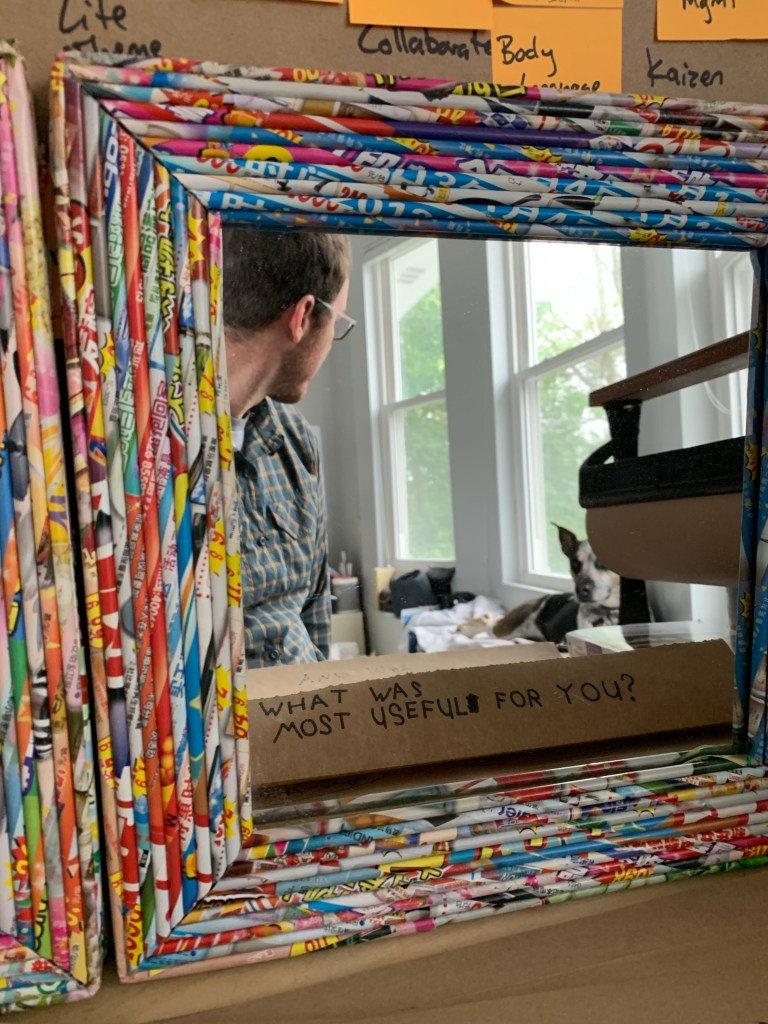
Ask this question to yourself at the end of the day, at the end of a 1:1 meeting with someone, to a group you are working with or training or teaching, with a friend after you finish connecting or hanging out.
The power of this question lies in its optimism, it’s other focus, it’s directness, it’s reflective nature.
It concludes a conversation or interaction with assumption that there was something useful. This optimism leaves you and the other parties thinking of the good.
It directly states the value and gets to the point.
It helps us or those being asked to reflect on the experience and learn more deeply. This reflection and recall forces us to analyze and stops the forgetting process.
“What was most useful for you?,” embeds learning, extracts wisdom, and extracts what is useful.
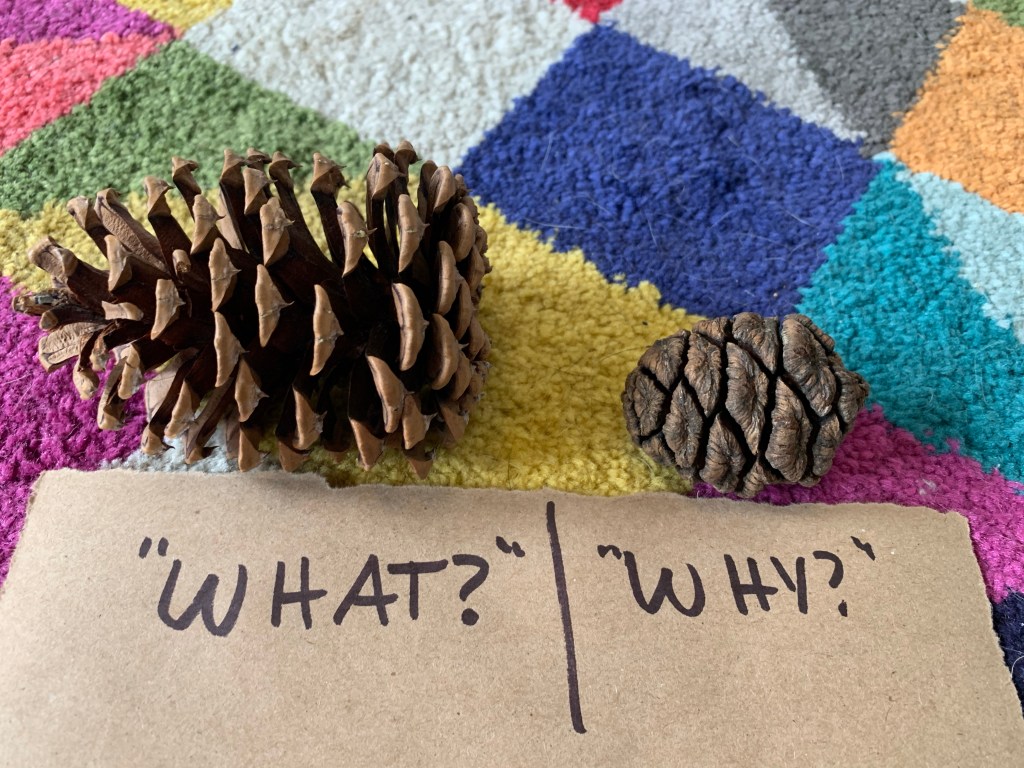
I love a good “why” question but they aren’t the right question most of the time. Why can be ambiguous, come off as condescending and create defensiveness.
We should be asking more “what” questions.
What makes the situation less personal and more factual.
What invites an observant perspective to truly analyze what is going on rather than dig deep for some abstract answer.
What removes judgement you might have of a persons decision. It can put you both on the same team looking at the problem together.
I’m looking for ways to make sure my what questions are more frequent than my why questions.
Some examples:
Why did you do that? —> What were you hoping for there?
Why did you think that was a good idea? —> What made you chose that course of action?
Why are you bothering with this? —> What’s important here for you?
Idea and examples come from Michael Bungay Stanier’s book The Coaching Habit where he offers Question Master Classes. This is one of those nuggets of gold from this book!
Jazz has a general structure, a rule of thumb, but ultimately is defined and know for its improvisation, personality, and spontaneity.
Ted Gioia in How to Listen to Jazz says, “When the jazz experiment is repeated, it never produces the same result.”
The same can be said of coaching. There is a structure and framework but a good coach will improvise and revise based on the client.
Listen to Salt Peanuts. There are hundreds of renditions of it in jazz. Each one takes on the persona of the artist or band. Notice the nuances in each and enjoy each. Some might be more enjoyable but none of them are the same.
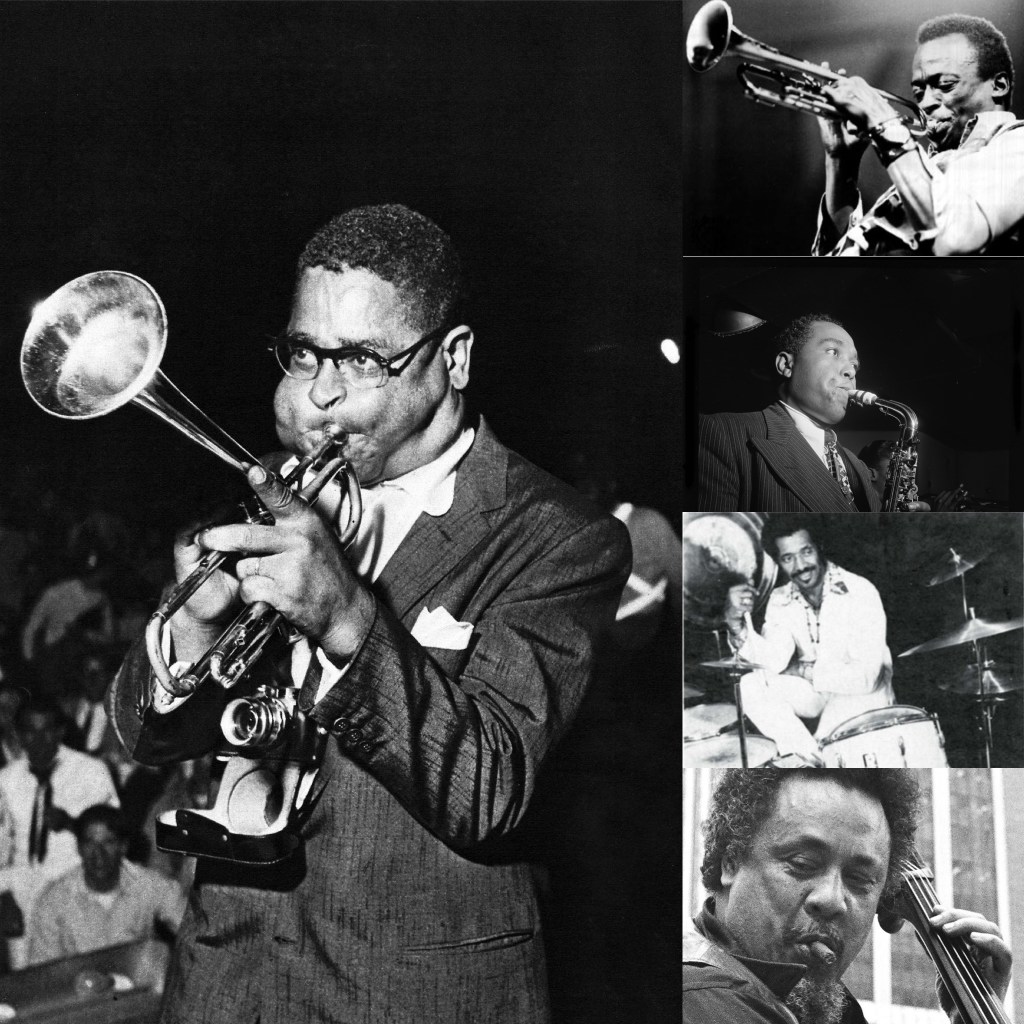
Left to right, top to bottom: Dizzy Gillespie (originator of Salt Peanuts), Miles Davis, Charlie Parker, Philly Joe Jones, Charles Mingus. Each have their own and multiple iterations or Salt Peanuts.
Consider how you can ensure you are ready to offer variety and personality in your coaching, question asking, interactions. Don’t hesitate to use a framework or reliable resource but keep it fresh.
I’ve loved this drink as we’ve been planting our garden. Not a long all day sipping drink but a potent reminder of the warmth of summer.
You can seen we’ve been enjoying this drink as we are almost out of whiskey!
2 ounces whiskey (I prefer a bourbon)
3/4 ounces of fresh lemon juice
1/2 ounce honey simple syrup (equal parts honey and water. Heat on stove with constant mixing avoiding boiling. Once homogenous solution let cool and store refrigerated)
Shake ingredients and serve in glass with ice! Sip and make a second when the time is right.
Each weekend I share a favorite recipe instead of or in addition to some of my work (takes the pressure off the weekend and reminds me it’s the weekend!)
Recorded a podcast today with Ben Battaglia where he is looking at the Enneagram through a lens of leading or being on a team.
I am a Type 7 and we talked about my experience as a team member and leader all while my personality being that of “The Enthusiast.”
A few things that stuck out to me:
I’m best when slow and build in time for thought. As a 7 I integrate towards 5 which means as I’m at my most aware, healthiest, I act as a curious observer. I still bring lots of energy and momentum but slow down to consider and ponder. Leading into the next point…
Sevens can be consistent providers of energy and momentum. We can be seen as life’s of the party but it goes deeper than that. Thoughtfully applying provocation to a team an use our strengths to move and serve.
As a seven, I think quickly and like to think. A seven is in the thinking triad and therefore prioritizes thought over feeling and instinct. I often bring a team into quick thinking but can be dangerously leading a team into thought processes that are non-productive. Important to widen then narrow my thinking.
Sevens are know to be pain avoidant. For me, I fear being stuck, stagnant, obsolete, unconnected. This can powerfully move a team away from a danger or move a team away from a necessary painful moment. What I found important is to be clear about what matters and remember that. Use momentum towards the bigger picture and find hope in that even in uncertain or challenging situations.
Leaders of sevens should give them room to go and build energy but also give clear direction. Ben said it well that a seven can be like a boulder rolling down a hill. If going the wrong way hard to change course.
Saying no is important. Our days naturally fill up with things to do and so we must give boundaries to our yes’s with no’s.
If that isn’t enough, it’s often easiest for us to say no to those closest to us (our families suffer because of this) and those most distant from us (not a big deal)
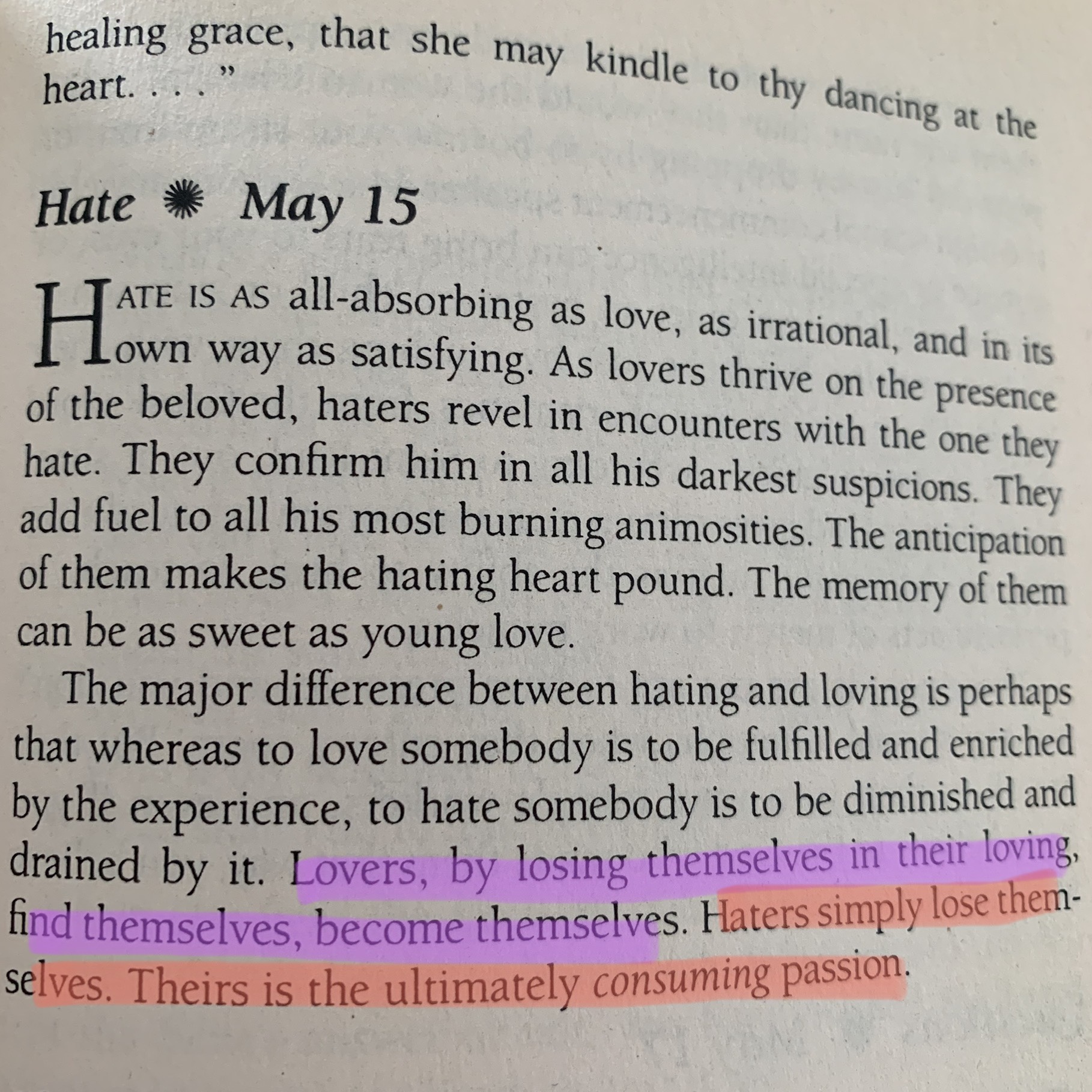
One: Say yes more slowly. Bring curiosity to your yes and ask more questions. Delay a response and spend time considering it.
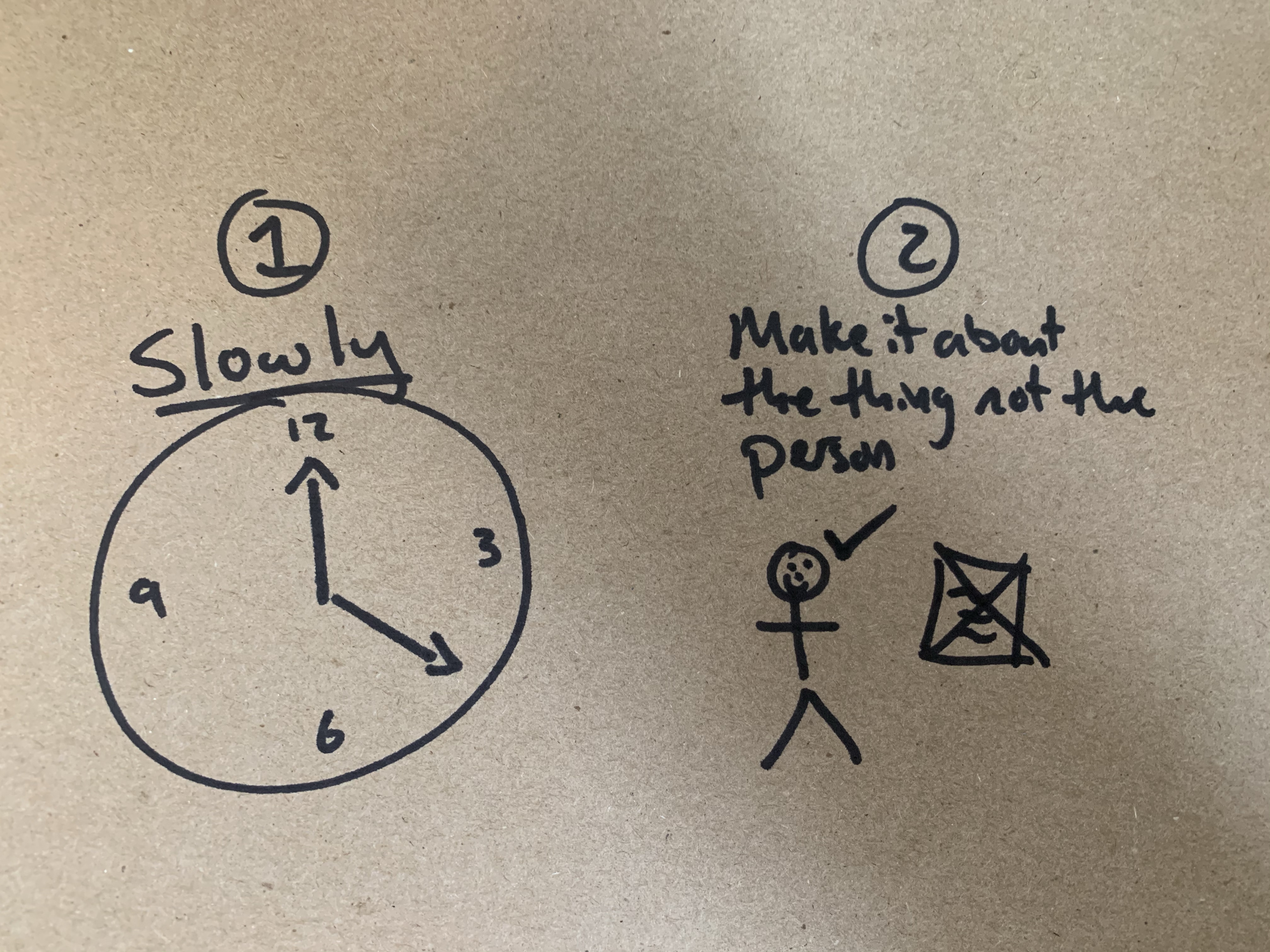
Two: Say no to the thing, not the person. Write down what is being asked and point to that and make that thing the subject of the no. Remove the ask from the person and clear say no to the thing not the person.
Our no’s matter. When we say yes to something we are ultimately saying no to other things. Get good at saying no when you need to.
Sometimes we decide to go out on a nice bike ride and then all of a sudden we see a storm rolling in.
Naturally we are going to hurry up to try to beat the storm.
Maybe it’s not a bike ride for you. Maybe it’s not an actually thunderstorm.
It could be a new business venture, a new job, planning something new for your family. Regardless, storms happen when we “go on a bike ride.”
Occasionally we will make it home but often we get caught in the storm. When we do, we can’t change the storm or make it go away. Complaining or feeling sorry for ourselves has no impact on how dry we stay in the storm.
All we can do is protect what’s important and trudge through. Maybe you even find something to enjoy in the storm. Maybe you realize being in the storm isn’t so bad and you find joy along the way.




 phil invites