I’m learning a lot on how to do this well but recently heard Seth Godin talk about a new perspective on starting a business with friends. Check it out on his Akimbo Podcast, Episode “Leverage and Gearing” at about 17:10.
Instead of allocating the winnings at the beginning, allocate them as you go. Make a list of all the responsibilities and to-do’s. As you get ‘wins’ each person who gave something got equity. Keep track and build up responsibility among the partnership.
Clarity of who’s doing what, what you get when you do it, and how to wrap it up at some point.
Photo of me, Kelly Hassman, and Anna Tragesser as we are starting Carnival Group. A few friends trying to figure out how to start a business together!
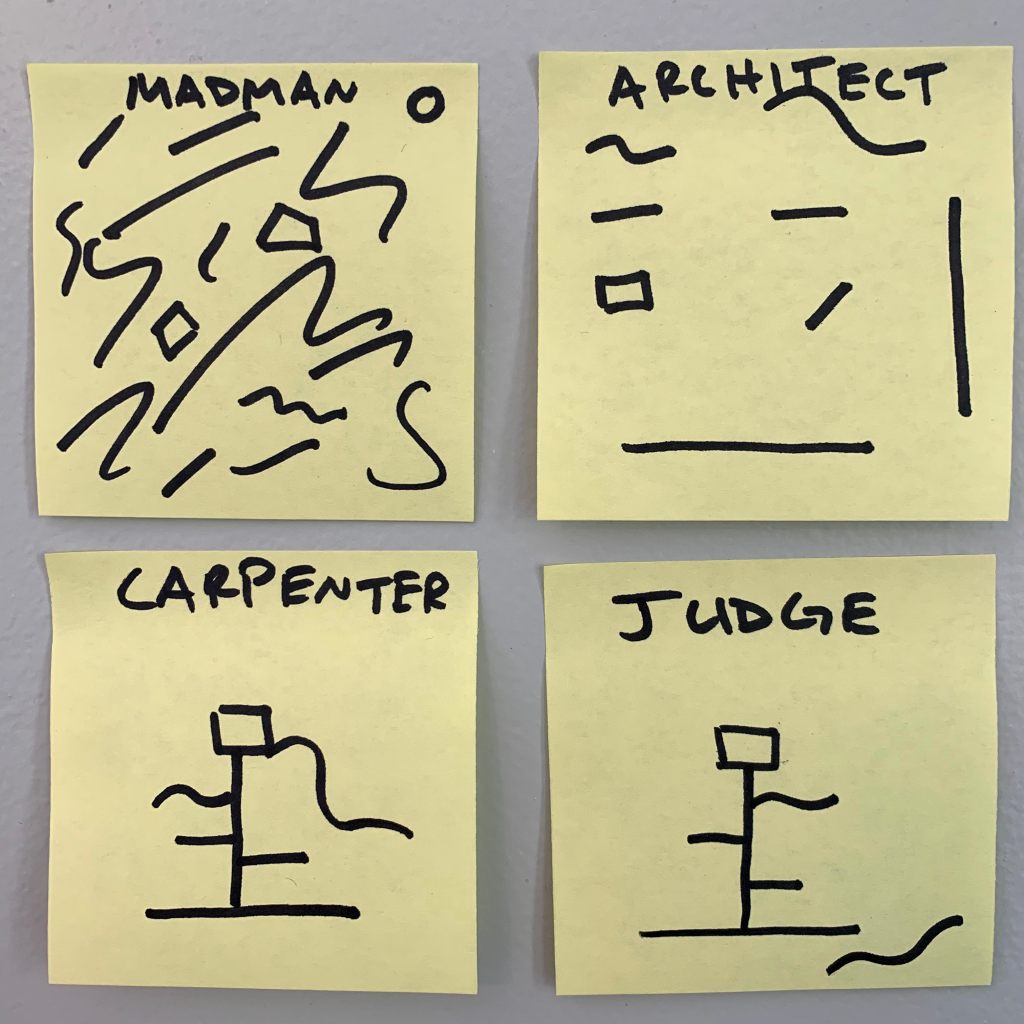
Betty S. Flowers discusses this concept with the writing process. In essence:
The madman generates all the ideas. The architect organizes and chooses whats needed. The carpenter puts it together. The judge refines and pollishes.
Often though we don’t give our madman free reign as it deserves. We let the judge jump right in.
Find ways you can let your madman free reign and remind yourself that the judge will come, just not right now.
I first heard of this concept when at a Fuller Youth Institute summit on engaging Young Adults in faith communities. Also, Ed Batistahas a great blog on this as it fits with coaching and business leadership.
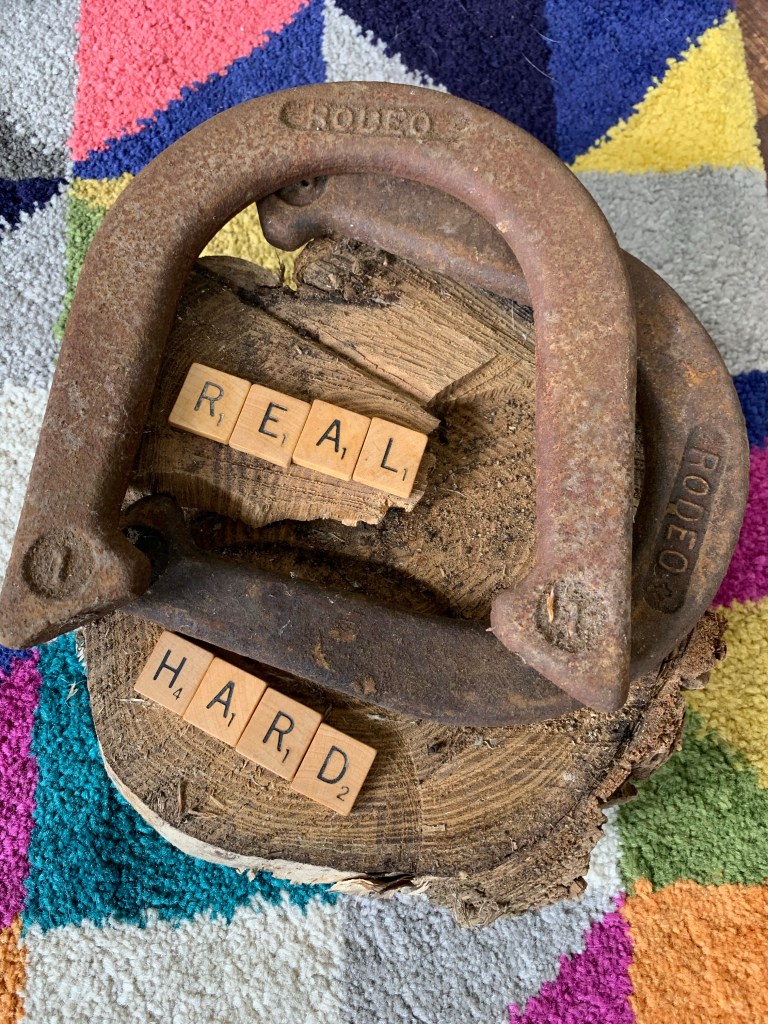
Soft Skills or as Seth Godin calls them Real Skills are critical to being successful in a career or role.
Sometimes these can be lofty or unattainable at first glance. If “leadership development” or “soft skills” make you hesitant or unsure where to proceed, start with Hard Skills or Technical Skills.
While working through these Technical Skills looks for ways to add in and enhance your soft/real skills. Growing in specific, technical ways give you an avenue to practice the essential real skills.
These Technical Skills will vary in your role but consider these three areas to make your own list:
Technique: what specifics are required for you to perform your job. Procedural understanding. Improvement or innovation ability. Troubleshooting. Specific functions.
Team: which tasks or abilities do you need to function in your team or with other people. Communication. Other awareness. Self awareness. Etiquette. Delegation.
Work Standards: what aspects of your work need to be at a specific level. Quality. Integrity. Client service. Effective decision making.
If you notice a lot of this overlaps with Real Skills. That’s the point. Considering Technical/Hard Skills makes Real Skills…well…real.
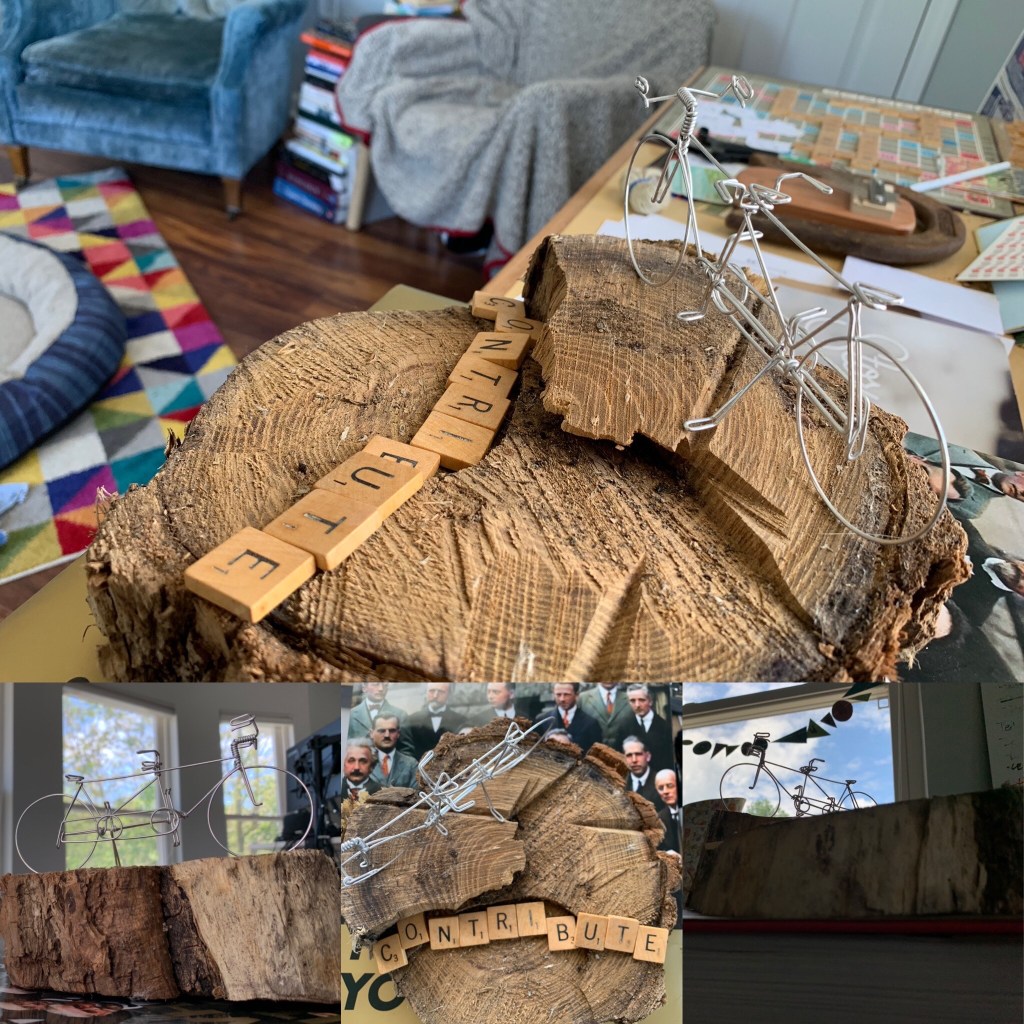
When we encounter someone with a different perspective than us it can be frustrating. I find it’s more frustrating if their perspective is from a totally different angle on multiple axis.
This image has four perspectives of the same scene. If my perspective is the first and largest one above, I’m going to be even more annoyed or challenged by perspectives in the bottom left and bottom right corners. The bottom center image might no be as irritating but actually might be appreciated. In it i see a little more about the image in background and what’s on top of the wood.
Often this is true with interacting with people. We appreciate a perspective that is slightly different than our own but are frustrated by those very different than our own.
I believe awareness and appreciation is key to solving this tension.
We first must be aware that our perspective is unique and acknowledge that perspective. (Side note: we must also be aware of our life theme and or purpose and check if our perspective aligns with who we hope to be)
Then we must listen well enough to understand another’s perspective and truly appreciate it. That doesn’t mean we agree with it but we must honor it as their perspective. Sometimes we can take on their perspective and in tern become better ourselves (Side note: if you find their perspective aligns with your life them). Sometimes we can invite the other to take on our perspective
At times, we must simply recognize their perspective is dramatically different and change our expectations for mutual contribution. We must realize we will stay the course of our perspective and not expect them to change theirs.
I anticipate adopting this attitude will help me find more creative ways to engage with people of different perspectives and be less frustrated when a request which seems obtuse to me comes up, I hear an opinion I disagree with, expect someone to contribute in a specific way and they fall short. I will be more willing to take on their perspective, be more adept to help them take on my perspective, or simply change expectations as we go forward.
If you have suggestions for working with people of different perspectives, please let me know! I’m hoping to grow here.
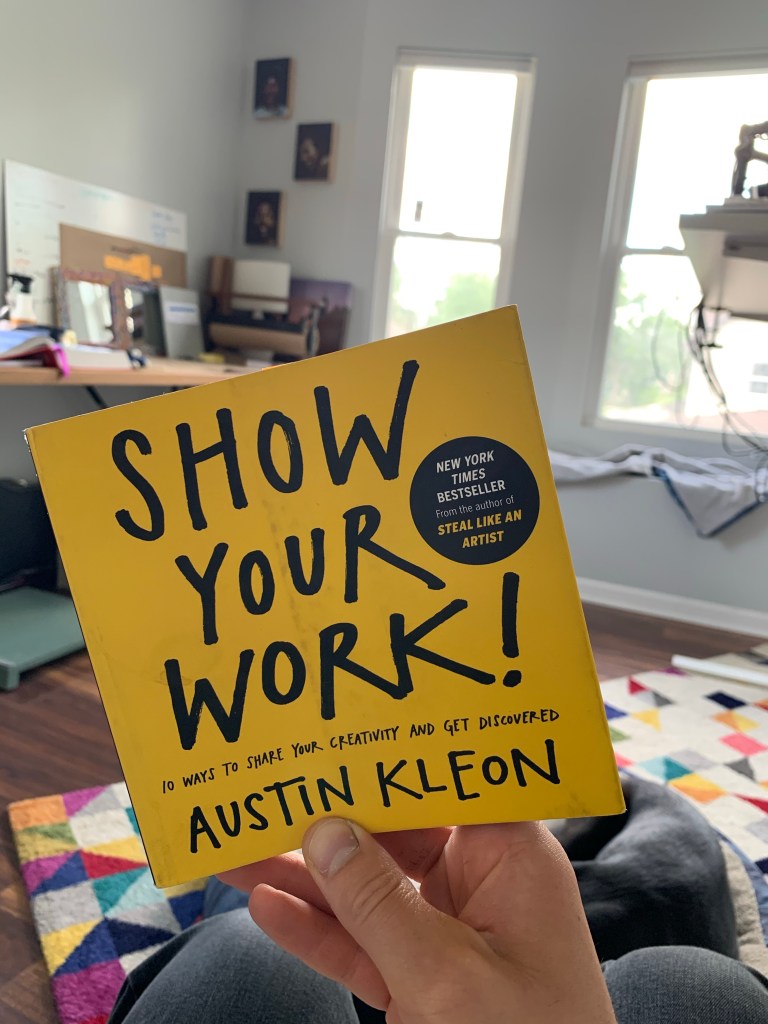
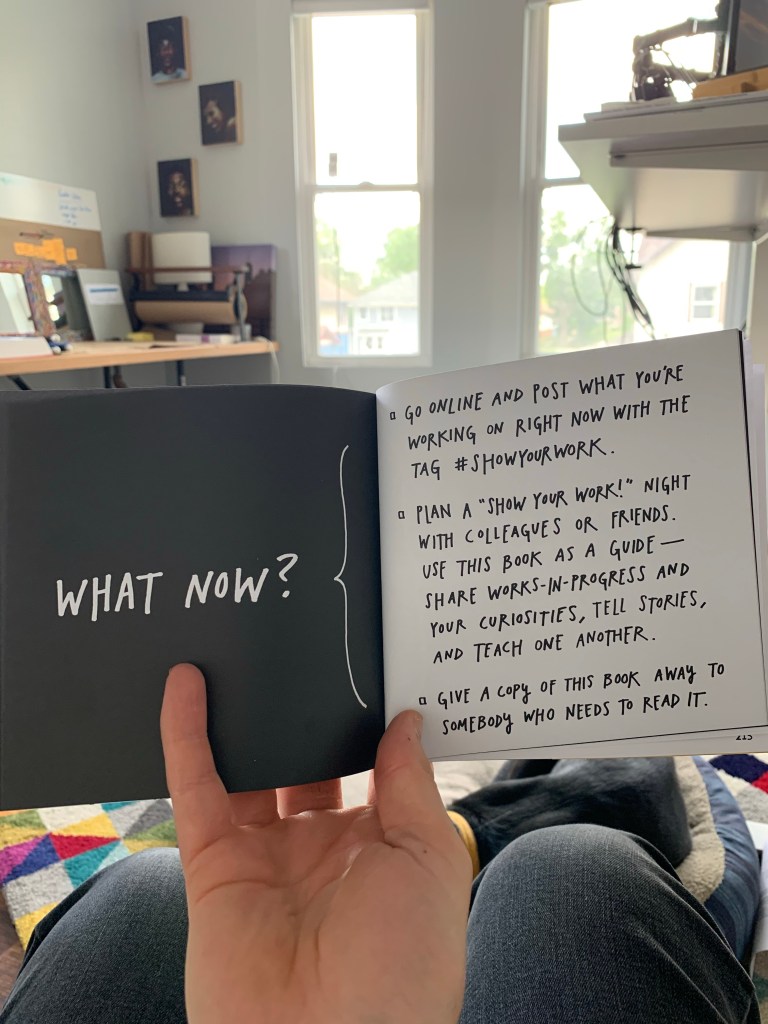
Building in sharing and production of your work grows you and your connections. If you want to do more of the work you love, simply do it and share it. Along the way it can be tough to share and when you hit a slog…
find others to be inspired by, share their work or your taste of it
get better at telling stories
build a habit of sharing everyday
find your form of a cooking show…share your trade secrets
make meaningful connections beyond a view or a “follower”
get good at the work…hone and tweak after each project…don’t lose momenrum
be generous but selfish enough to get your work done
don’t be afraid of being an amateur…it’s maybe the best thing to be
Thanks to this book, I’m writing every day, sharing everyday. As I plan to post one thing or share one thing, I’m finding at the end of the day I have several things to share.
Definition: Closest in relationship; immediate. Nearly accurate; approximate.
Important when convincing others
Important with learning things
Not proximity physically always nor only but proximity of being where someone, something is emotionally, intellectualy, mentally.
My two pups, Kal and Ender being proximate in a car ride today.
When we are understanding someone anew, being in the same headspace is important. Being in the same physical location as wel is impactful. When we learn something, being close to the source of original data/information is valuable. Hearing it from the “mouth” maintains validity of the information. It is ensured more-so to be true and complete.
Where else is proximity of value?
When is proximity challenging?
How can you hear it from the source? Get close to the origin? Be more true?
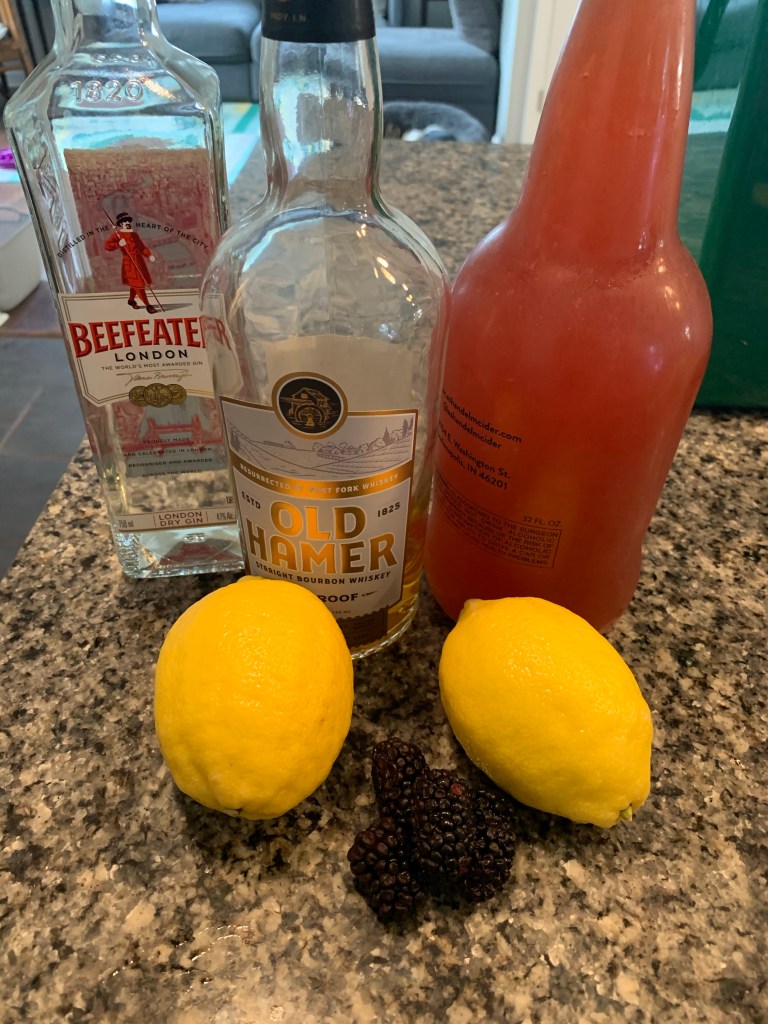
Recipe this week inspired by warm weather evening porch sipping.
0.5 oz BlackBerry simple syrup (large batch is 1 cup water, 1 cup sugar, 2 cups blackberries on stove until dissolved and blackberries softened. Mash blackberries while hot. Strain our blackberry pulp and let cool)
1 oz fresh lemon luice
1 oz gin
2 oz bourbon (gin + bourbon = bin)
Best when shared. Make in pitcher and multiply 5, 6, 8, 12 times! Mix and serve over ice in tall glass.
Either start with a granular idea and work your way up and out. Or start wide and varied to work your way narrow, down and out.
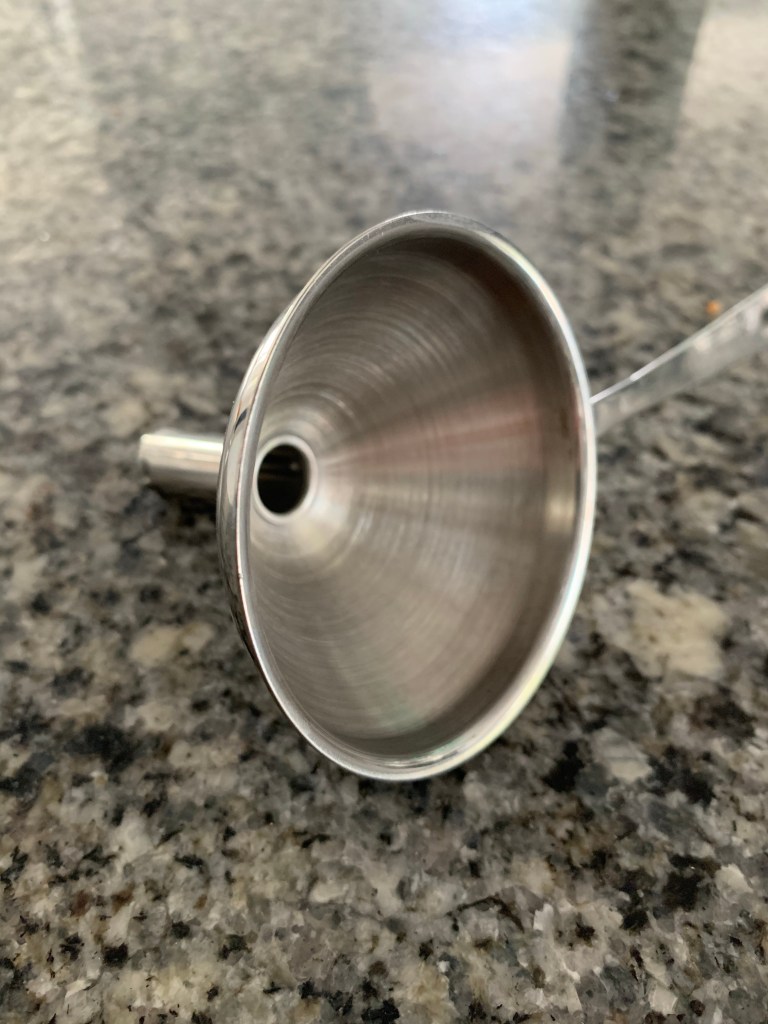
The end goal is to get out of the funnel into something useful.
Take an idea and run it through the funnel.
What is wider or more broad than this?
How could this be more specific?
Who else would value this?
What group of people would value this?
If stuck try the funnel approach.
Inspired by a conversation with my friend Dan Ryan Charles as he was evaluating his Masters Thesis and he was using the funnel approach to narrow and produce.
I saw this on a sign of a restaurant. In the current COVID-19 crisis, businesses are barely staying afloat. The plead is common around.
There is one alternative to the pleading victim:
The Persecutor: I know better. I’m superior. Opening before suggestions. Choosing to follow instinct rather than wisdom or guidance.
When a company persecutes, it creates victims. When a company acts as a victim it invites rescuers.
Rescuers sound nice and all but are they really “helping?”
When we act as rescuers, we perpetuate the creation of victims.
The alternative I opt for is the confident, humble Contributor.
I’ve seen several businesses act as Contributors in this. Their statements are, “We are in this with you!”
They look for ways to lead and add value in the midst of it all. They recognize the struggle and yet face it with clarity of what they have to offer.
Of course this goes beyond businesses. If we ourselves don’t have clarity of who we are, how we contribute, we will find ourselves condemning as the Persecutor, pleading and hopeless as the Victim, or blindly Rescuing others without truly helping them.
Dig into who you are. Clarify yourself. Build rhythms and relationships that expand that true self. Grow and learn beyond where you are.
Instead of truly embodying a virtue, I find myself claiming a part of my identity to justify that I am something.
For example: I live in a diverse neighborhood therefore I’m not racist.
I am a Christian therefore I’m humble and loving.
I work in training and development and so I’m always learning and growing myself.
I claim a certain personality type and therefore I am all the good parts of it.
You can see where we can take it. What are those identities, you might be hiding behind?
Our intent or deeper identity matters much less than the impact of our actions. If we perceive ourselves a certain way, we ought to follow through with actions and impact that hold up our identity.
Building in rhythms and habits with the impact we hope are good starting points. I’ve built in a rhythm of mediation each morning before my work starts and at the end of the day when my work ends. This helps me dedicate myself to being thoughtful and considerate. Commit to the identity you claim and check the impact of your actions.
These thoughts came after watching a webinar with my church (cground.org) where Kelly Hassman (my wife) was a panelist and made the point that we often hide behind our identity as Christians to claim we are humble or good when in reality our actions perpetuate racism or other hurtful systems.


 phil invites